Phase III Clinical Trial evaluating CPX-351 for ML-DS
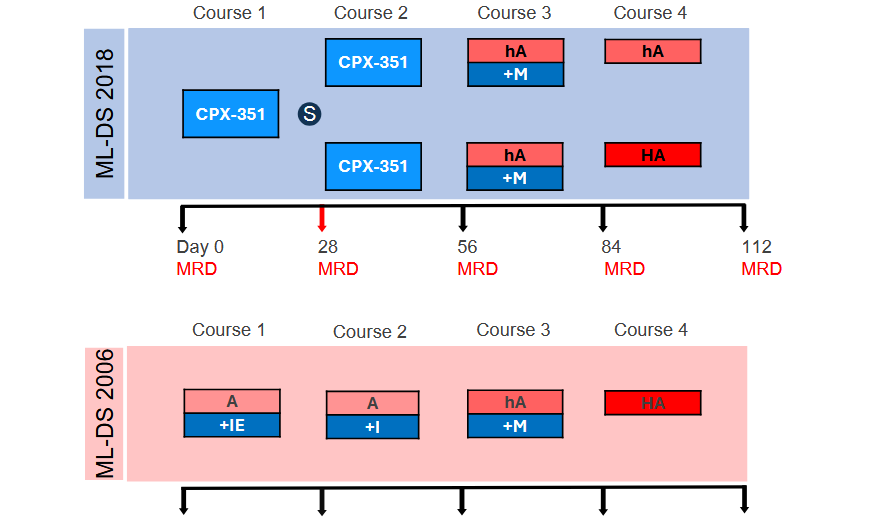
In this multicenter prospective trial, CPX-351 replaced conventional induction therapy aiming to reduce toxicity. This paper includes a retrospective analysis and future outlook.


In this multicenter prospective trial, CPX-351 replaced conventional induction therapy aiming to reduce toxicity. This paper includes a retrospective analysis and future outlook.
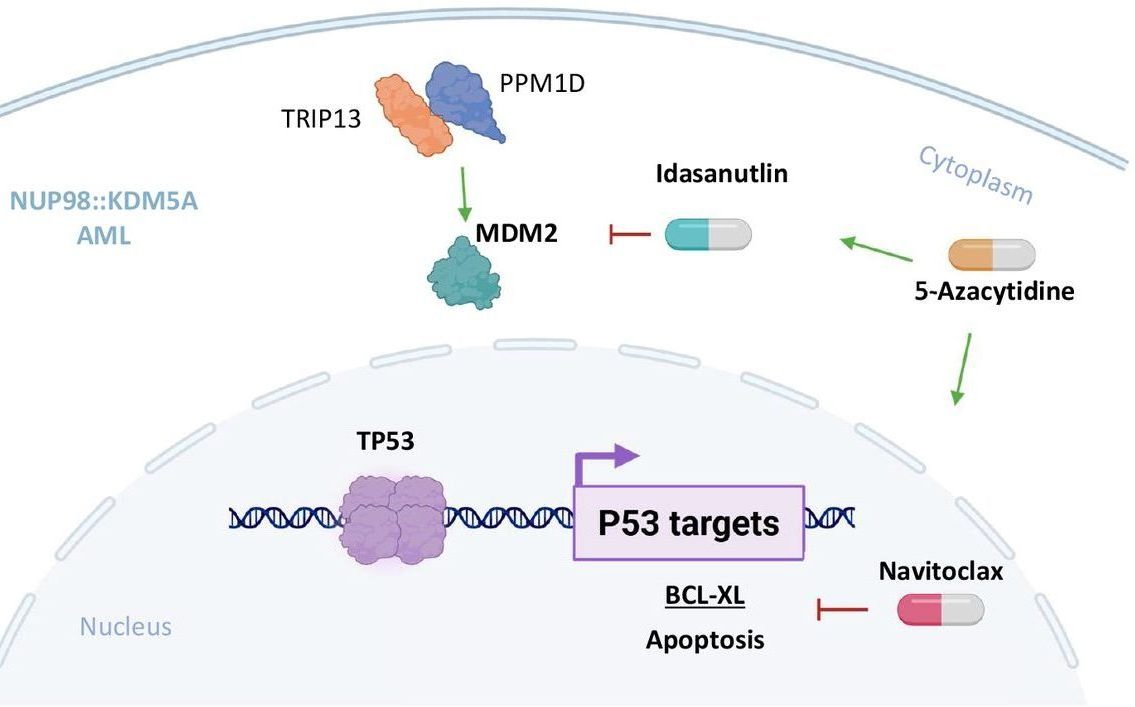
Genomic and proteomic analyses identified critical dependencies, which with pharmacologic inhibition effectively induce apoptosis in NUP98::KDM5A AML models.
DLK1 was found to be a GATA1s-driven leukemia dependency in ML-DS, linking fetal hematopoietic programs to leukemic stemness and refractory disease.
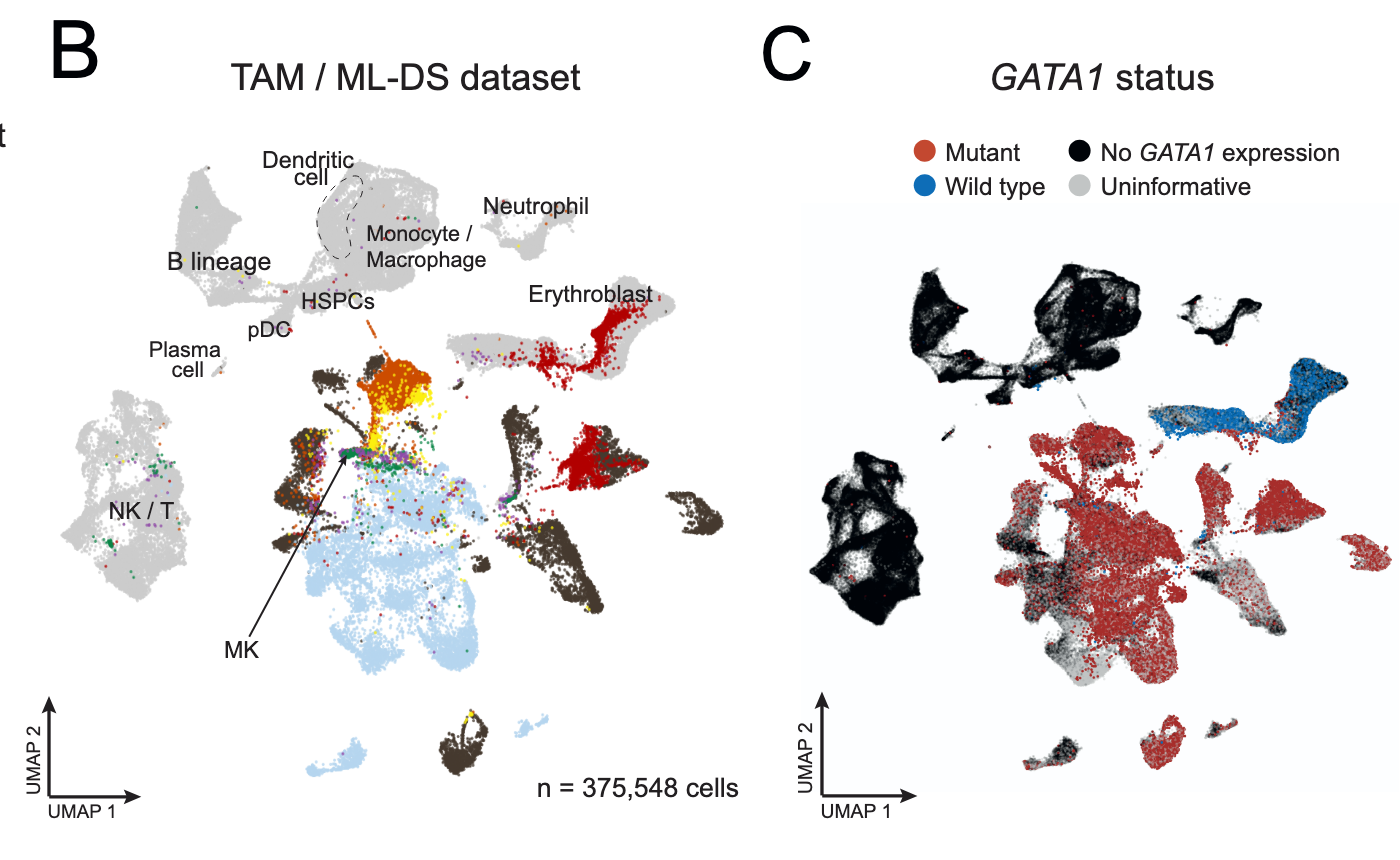
We examined the relationship between the genetic and transcriptional evolution of ML-DS from natural variation using single cell sequencing.
A commentary giving insights on Sato et al.'s comprehensive genomic analysis and functional validation. A study advancing our understanding of the genetic factors that influence TAM to ML-DS progression.
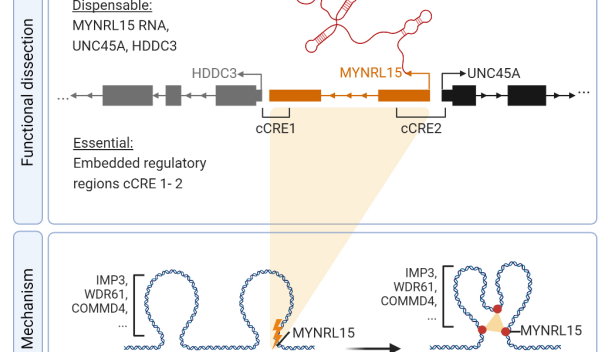
Publication alert: The identification of long non-coding RNA locus MYNRL15 shows novel therapeutic potential in AMLs with various genetic backgrounds.
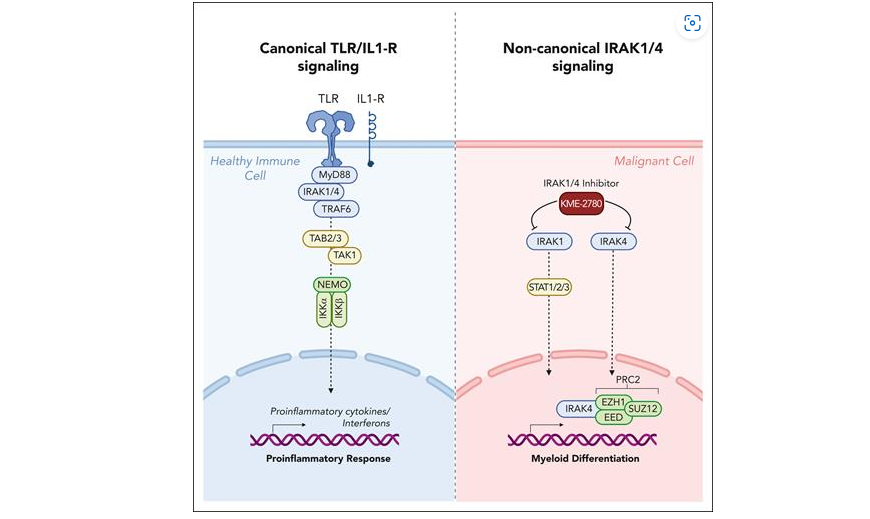
In this commentary Dr. Uckelmann and Prof. Klusmann point out recent findings that highlight the therapeutic potential of cotargeting IRAK1 and IRAK4.
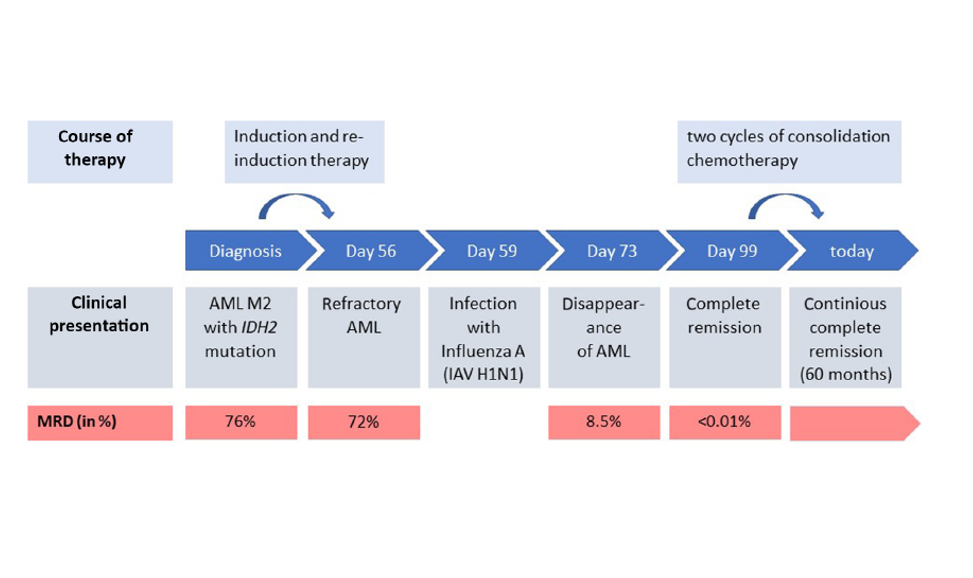
In our commentary we highlight a special case of refractory AML, which went into complete remission after Influenza A infection.
Today the work of our PostDoc Dr. Hasan Issa and colleagues was publishe in Leukemia. It presents the anti-leukemic effects of microRNA-193b-3p and its clincial potential.
Our latest Paper was chosen as plenary paper in this weeks Issue of Blood. Along side it is also available as audio summary on the latest Blood Podcast.